 Save
Save My neighbor's garden had taken over half the yard with dandelions, and she kept joking about needing to hire someone to deal with them. One morning, watching her pull them up in frustration, I mentioned that the yellow flowers were actually edible and quite beautiful in baking. Her skeptical look transformed into curiosity when I brought over these scones the next week—golden, tender, and dotted with those sunny petals she'd been cursing. Now she leaves a small patch unharvested each spring, waiting for scone season.
I made these for my sister's impromptu Easter brunch after she mentioned the weather was finally warm enough to sit outside. She arrived with wine and flowers, and I had just pulled the scones from the oven—the kitchen smelled like warm honey and spring itself. Watching her tear into one while still steaming, then her eyes widening at that first taste, felt like the whole morning was worth it. That's when I realized these aren't just scones; they're a conversation starter about seasons changing and good food shared with people you love.
Ingredients
- All-purpose flour (2 cups): This is your structure, and using the right amount matters—spoon and level it rather than scooping directly from the bag, or your scones will come out dense and tough.
- Granulated sugar (1/4 cup): Just enough sweetness to complement the honey and petals without making them taste like dessert.
- Baking powder (1 tbsp): The magic ingredient that gives you that classic tender crumb and slight lift—use fresh baking powder, as old stuff loses its power.
- Fine sea salt (1/2 tsp): Balances the sweetness and brings out the delicate floral notes.
- Unsalted butter, cold and cubed (1/2 cup): Cold butter is crucial; it creates those tiny pockets that steam into tender layers—let it sit at room temperature for literally two minutes before cutting in.
- Whole milk, cold (2/3 cup): Keep it cold straight from the fridge to avoid developing too much gluten, which makes scones tough.
- Dandelion petals, fresh (2 tbsp plus 2 tbsp for garnish): Pick only the bright yellow petals from fully opened flowers on a sunny day, and rinse them gently—the green parts are genuinely bitter and ruin the magic.
- Honey (2 tbsp plus 1 tbsp for drizzling): Adds moisture and a subtle sweetness that works in harmony with the floral notes from the petals.
- Large egg (1): Binds everything together and gives the scones that beautiful golden exterior.
- Clotted cream: The traditional finish—rich, slightly tangy, and absolutely essential if you can find it, though whipped cream works in a pinch.
Tired of Takeout? 🥡
Get 10 meals you can make faster than delivery arrives. Seriously.
One email. No spam. Unsubscribe anytime.
Instructions
- Heat your oven and prep:
- Preheat to 400°F and line your baking sheet with parchment—this prevents sticking and helps them bake evenly. The oven temperature matters here; too cool and they spread, too hot and they brown before the inside sets.
- Build your dry base:
- Whisk flour, sugar, baking powder, and salt together in a large bowl, breaking up any lumps in the baking powder so it distributes evenly throughout.
- Cut in the cold butter:
- Add your cold cubed butter and work it in with a pastry cutter or your fingertips until the whole thing looks like coarse breadcrumbs—this is where you're creating those little air pockets. If you work it too long or use warm butter, you'll end up with dense, tough scones instead of tender ones.
- Combine your wet ingredients:
- In a separate bowl, whisk together the cold milk, honey, egg, and dandelion petals until fairly smooth, letting the petals soften just slightly.
- Bring it together gently:
- Pour the wet mixture into the dry ingredients and stir with a fork until just barely combined—this is the moment where restraint matters. Overmixing develops gluten and ruins the tender texture you're after.
- Shape and cut:
- Turn the dough onto a lightly floured surface and gently pat it into a round about 1 inch thick—you want to handle it as little as possible. Cut into 8 wedges like a pie and transfer to your prepared baking sheet, spacing them slightly apart.
- Bake until golden:
- Bake for 16 to 18 minutes, watching for that perfect golden-brown color on the tops and a slight puff that tells you they're cooked through but still tender inside. The scones will feel slightly soft when warm, but they'll firm up as they cool.
- Finish and serve:
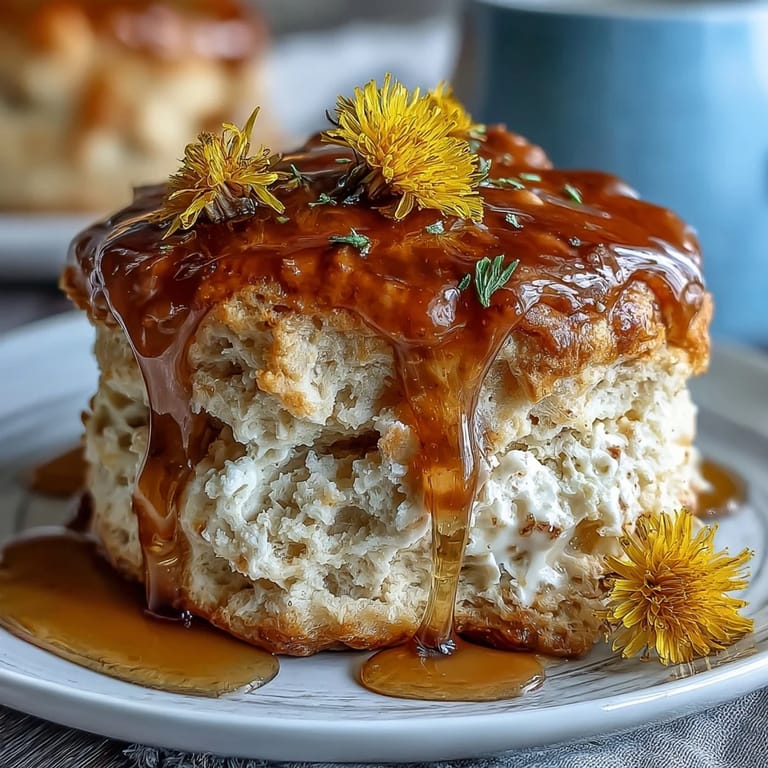
- While still warm, drizzle with honey and scatter a few fresh dandelion petals on top for that gorgeous final touch. Serve immediately with generous dollops of clotted cream.
 Save
Save My mother-in-law brought her own clotted cream to one brunch and sat down with a scone, took one bite, and didn't speak for about thirty seconds. She just closed her eyes and smiled, and that moment felt like the truest compliment any food could receive. These scones became a requested thing after that—not because they're fancy, but because they taste like care and springtime all at once.
Why Dandelions Matter More Than You'd Think
There's something about using something wild and foraged that shifts the whole feeling of a recipe from conventional to special. Dandelions grow free and abundant, yet most people treat them like weeds to eradicate, so baking with them feels like reclaiming something that was always there but overlooked. They taste faintly of honey and flowers without any of the bitterness some people worry about—as long as you're using only the bright yellow petals from fully opened blooms picked on a sunny day. That single decision to include them transforms ordinary scones into something with character and story.
The Cold Butter Secret
Every scone disaster I've had came down to butter temperature, so this deserves its own moment of explanation. When butter is cold, it stays in distinct little bits throughout your dough, and when the heat hits those bits, they melt and create steam, which puffs up your scones and leaves them tender with a delicate crumb structure. If that butter is warm, it just blends right in and you end up with something more like a dense cake. This is why pastry chefs obsess over keeping everything cold throughout the process—it's not fussy, it's just understanding how flour, fat, and heat actually work together.
Making This Moment Your Own
The beauty of these scones is that they're a template for springtime experimentation once you understand the basic technique. I've made them with lavender, with lemon zest, with crushed strawberries mixed into the milk—each version still captures that tender, delicate texture. The key is respecting the ratio of wet to dry ingredients and keeping that butter cold, and everything else is just your personal flourish. Serve them however feels right to you: with a simple cup of tea, with sparkling wine and berries, with friends in the garden on the first truly warm day of the year.
- If dandelion petals aren't available or feel too adventurous, try adding the zest of one lemon for a similar brightness.
- Make these scones the morning of serving—they're best within a few hours of baking while they still have that warm, tender quality.
- If clotted cream feels impossible to find, whipped mascarpone with a pinch of honey gets surprisingly close to that rich, slightly tangy finish.
 Save
Save These scones carry something beyond ingredients and technique—they're a tiny edible celebration of the moment when winter finally releases its grip and everything starts growing again. Sharing them with people you care about amplifies that feeling in a way that matters.
Recipe FAQs
- → What is the best way to prepare the dough?
Combine dry ingredients first, then cut in cold butter until mixture resembles coarse crumbs. Add wet ingredients gently and avoid overmixing for tender, flaky scones.
- → How do dandelion petals affect the flavor?
Fresh dandelion petals add a subtle floral note that complements the honey's sweetness, creating a delicate and unique flavor profile.
- → Can clotted cream be substituted?
Yes, whipped cream or mascarpone can be used as alternatives to clotted cream while maintaining a rich texture.
- → How should these scones be served?
Serve warm with a drizzle of honey and a sprinkle of fresh dandelion petals accompanied by clotted cream for a classic presentation.
- → What beverages pair well with these scones?
Floral white teas or light sparkling wines enhance the subtle sweetness and floral notes of the scones, making an ideal accompaniment.