 Save
Save There's something about the first truly cold snap that makes me crave something warm and grounding, and this root vegetable bowl became my answer to those early winter afternoons. I'd been standing in the farmers market, looking at a pile of beets still dusted with soil, when an older woman next to me mentioned how her grandmother used to roast everything together for Sunday suppers. That stuck with me, so I went home and started experimenting with whatever roots I could find, building layers of flavor that somehow taste better when the temperature drops outside.
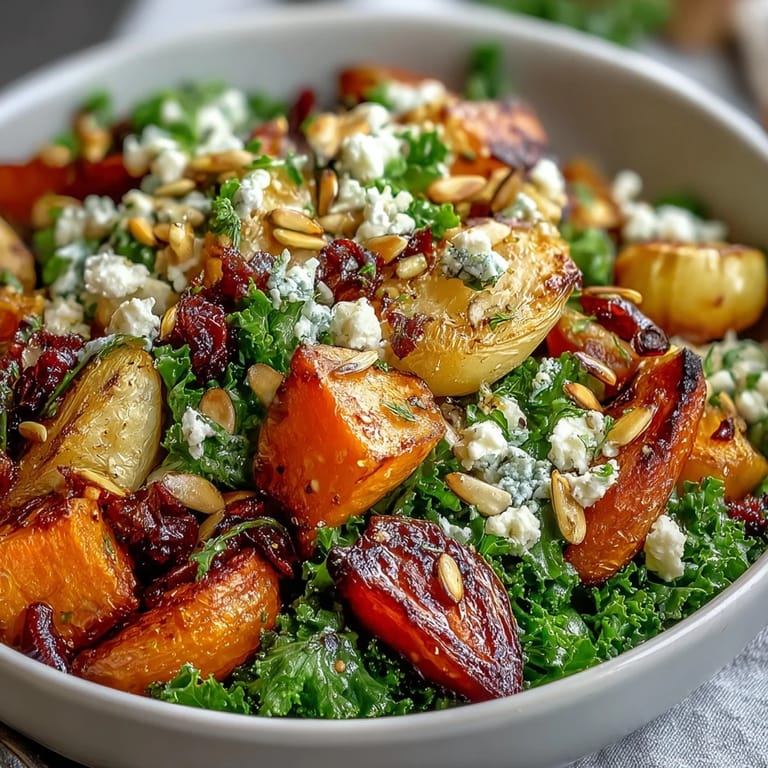
I made this for my roommate on a gray November evening when she was stressed about work, and watching her face light up as she tasted it reminded me that food does something beyond filling your stomach. The warm oil pooling around the kale, the sweetness of the roasted parsnips, the little pops of pumpkin seed texture—she went back for seconds without saying much, which said everything.
Ingredients
- Carrots: Choose medium ones with some heft to them, as they'll caramelize beautifully and develop a natural sweetness that anchors the whole bowl.
- Parsnips: These are the secret ingredient that nobody expects, turning nutty and almost creamy when roasted properly.
- Sweet potato: Keep the cubes smaller than the other vegetables so they cook through at the same rate without getting mushy.
- Beet: The earthiness here is essential, and cutting it into wedges instead of cubes helps it cook evenly without staining everything purple.
- Olive oil (for roasting): Don't skimp on this—the vegetables need enough to get golden, not just soft.
- Kosher salt and black pepper: Season aggressively; the oven will mellow these flavors as things roast.
- Dried thyme: Fresh thyme is wonderful too, but dried holds up better during the long roast and deepens into something almost smoky.
- Curly kale: The ruffled texture catches the warm dressing better than flat-leaf varieties, and massaging it makes a real difference in texture.
- Apple cider vinegar: The tanginess cuts through the richness of the oil and the sweetness of the roasted vegetables with perfect balance.
- Dijon mustard: This emulsifies the dressing and adds a subtle sharpness that keeps everything from feeling too heavy.
- Honey or maple syrup: Just a touch rounds out the dressing, making it taste complete without being sweet.
- Shallot: Minced small and softened in oil first, this becomes almost transparent but carries a depth that regular onion wouldn't.
- Pumpkin seeds: Toasting them yourself changes everything—they're crunchier and more flavorful than store-bought, and worth the extra five minutes.
- Feta cheese: Crumble it just before serving so it stays creamy rather than drying out under the warm dressing.
Tired of Takeout? 🥡
Get 10 meals you can make faster than delivery arrives. Seriously.
One email. No spam. Unsubscribe anytime.
Instructions
- Get your oven ready and organized:
- Heat your oven to 425°F and line a baking sheet with parchment paper while you prep your vegetables. This step seems small, but having everything ready means the vegetables go straight from bowl to oven without sitting around and releasing their moisture.
- Prepare and season your root vegetables:
- Peel and cut your carrots, parsnips, sweet potato, and beet into roughly the same size pieces—about an inch is perfect. In a large bowl, toss them with olive oil, salt, pepper, and thyme until everything has a light coating, then spread them in a single layer on your sheet.
- Let the oven work its magic:
- Roast for 30 to 35 minutes, giving everything a good stir about halfway through. You're looking for edges that are caramelized and dark, with tender insides when you pierce them with a fork—this is where all the sweetness develops.
- Transform your kale:
- While the vegetables roast, put your stemmed, torn kale in a large bowl and drizzle with a tablespoon of olive oil and a pinch of salt. Using your hands, massage the leaves for a minute or two until they darken slightly and soften—they'll be much more pleasant to eat this way.
- Build your warm dressing:
- Heat olive oil in a small skillet over medium heat, add your minced shallot, and let it soften for a couple of minutes until it's fragrant but not brown. Whisk in the apple cider vinegar, Dijon mustard, and honey, tasting as you go and adjusting salt and pepper to your preference.
- Assemble your bowls:
- Divide the massaged kale among four bowls, creating a base layer. Top each with a generous portion of roasted vegetables, then drizzle everything with the warm dressing while it's still steaming.
- Finish with toppings and serve:
- Scatter pumpkin seeds and crumbled feta over each bowl and serve immediately while the dressing is still warm and the vegetables haven't cooled down.
 Save
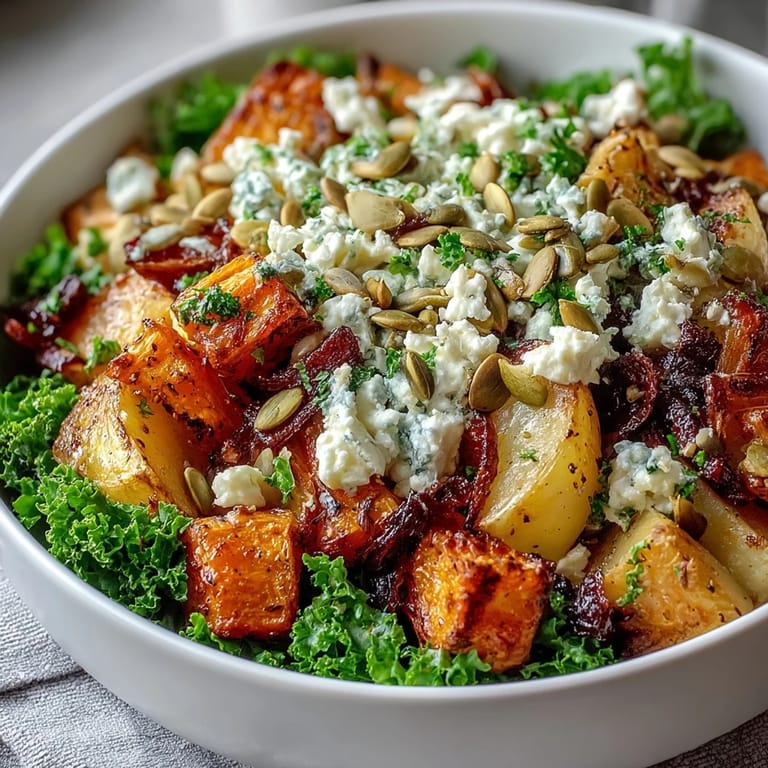
Save There was this moment while standing at my stove watching the oil shimmer around the shallot, the vinegar hitting the warm pan and releasing this tangy, almost honey-like steam, when I realized this bowl had become something I made for myself on hard days. It's comfort food that doesn't pretend to be anything other than what it is—vegetables and greens and warmth.
Why Roasting Changes Everything
The first time I simply boiled these vegetables, I wondered what everyone was talking about, and then I tried roasting them and understood immediately. Heat and time transform root vegetables from something merely nutritious into something that tastes almost like caramel, with crispy edges and a buttery center. The oven does the work for you—you're just giving it the right temperature and walking away, and somehow that patient cooking creates depth that no other method can match.
The Dressing Makes It
I spent a lot of time trying cold vinaigrettes on this bowl before realizing that the real magic happens when the dressing is still warm. The oil loosens, the flavors meld together, and the kale actually absorbs what you're offering it instead of just sitting on top like a coat. When you make the dressing while the vegetables are roasting, you're working with perfect timing, and everything comes together at exactly the moment it should.
Making It Your Own
This bowl is more forgiving than it looks, and adapting it is half the fun. Swap the kale for spinach or chard if that's what you have, use different root vegetables depending on the season, or add grains if you want something heartier. I've made this with roasted chickpeas instead of feta for vegan nights, and the structure stays the same even when the details change.
- Try adding a handful of pomegranate seeds for a pop of tartness and color that cuts through the richness.
- Leftover roasted vegetables work beautifully, so this is a great way to transform yesterday's dinner into something new.
- If you don't have pumpkin seeds, toasted walnuts or sunflower seeds give you that same textural contrast.
 Save
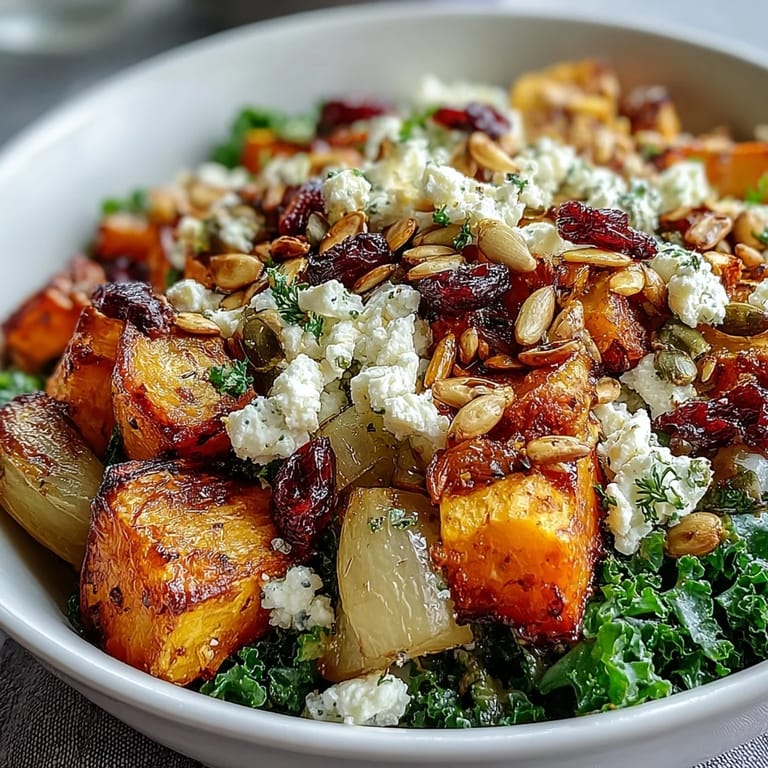
Save This bowl has become my favorite thing to make when I want to feel nourished without a lot of fuss, and something about eating vegetables that taste this good makes the winter feel less heavy. I hope it becomes one of those recipes you come back to again and again.
Recipe FAQs
- → Can I prepare the vegetables ahead of time?
Yes, you can peel and cut all the root vegetables up to 2 days in advance. Store them in an airtight container with cold water to prevent browning. Drain and pat dry before roasting.
- → What other greens work well in this bowl?
Baby spinach, Swiss chard, or arugula make excellent substitutes for kale. Spinach and arugula don't require massaging—simply toss them with a little olive oil before assembling.
- → How do I store leftovers?
Store components separately in airtight containers for up to 4 days. Reheat roasted vegetables at 375°F for 10-12 minutes. Keep the dressing at room temperature and add just before serving.
- → Can I make this vegan?
Absolutely. Simply omit the feta cheese or replace it with a plant-based feta alternative or extra toasted nuts and seeds for protein and texture.
- → What protein can I add to make it more filling?
Chickpeas, lentils, quinoa, or brown rice blend beautifully with these flavors. You can also add roasted chickpeas directly to the baking sheet during the last 15 minutes of cooking.
- → Why massage the kale?
Massaging kale with olive oil breaks down tough cellulose fibers, making the leaves tender, silky, and less bitter. It transforms the texture from fibrous to pleasantly chewy.