 Save
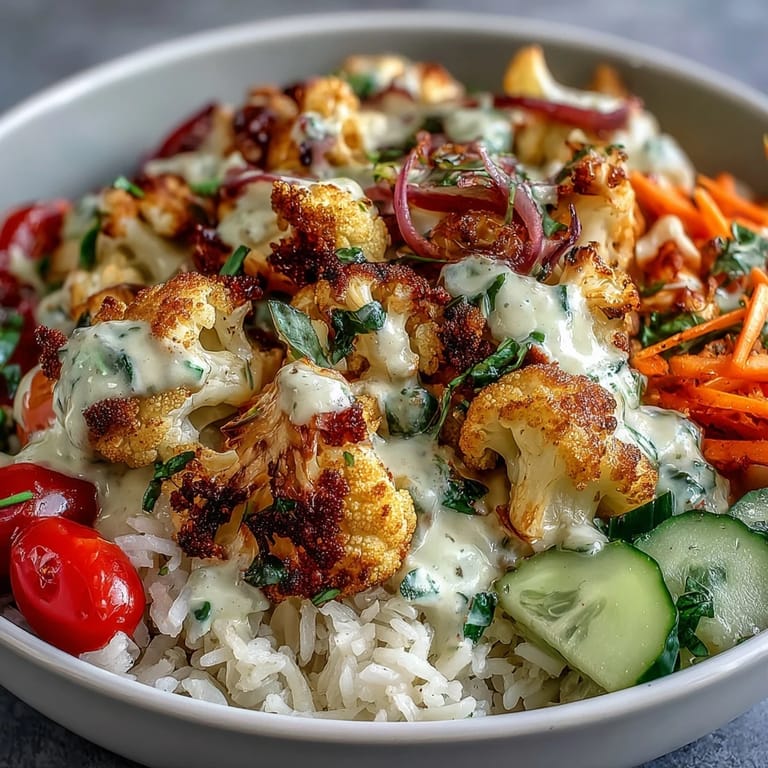
Save There's something about roasted cauliflower that transforms a quiet weeknight into something that feels intentional. My roommate came home one evening complaining about takeout fatigue, and I had a head of cauliflower sitting in the crisper drawer that needed rescuing. Twenty minutes later, the kitchen smelled like toasted herbs and caramelized edges, and suddenly we were both sitting down to bowls that felt restaurant-worthy but took almost no planning. That's when I realized this wasn't just a side dish—it was the whole meal, warm and satisfying and somehow both simple and special.
I made this for a potluck once where everyone brought heavy casseroles, and I watched people come back for seconds of vegetables. There was this moment when someone asked what was in the sauce, genuinely surprised that something tasting that good was just tahini and lemon and a touch of maple syrup. It became the dish people asked me to bring to gatherings after that, which still makes me smile.
Ingredients
- Cauliflower florets: Cut them into roughly the same size so they roast evenly—smaller pieces get crispier, larger ones stay tender inside.
- Olive oil: Don't skip this or skimp on it; the oil is what creates those gorgeous caramelized edges.
- Oregano, thyme, smoked paprika: These three together create a warm, earthy flavor that makes cauliflower taste like itself but better.
- Garlic powder and smoked paprika: A pinch of each adds depth without making the dish feel heavy.
- Basmati or jasmine rice: These varieties stay fluffy and don't clump, which matters for a bowl that feels fresh rather than dense.
- Cherry tomatoes: Their sweetness balances the earthiness of the roasted vegetables perfectly.
- Tahini: Use good quality tahini; cheap versions can taste bitter and gritty, which changes everything.
- Lemon juice: Fresh lemon is non-negotiable here—bottled juice won't give you that bright pop.
- Maple syrup or honey: Just a teaspoon balances the tahini's nuttiness with a whisper of sweetness.
Tired of Takeout? 🥡
Get 10 meals you can make faster than delivery arrives. Seriously.
One email. No spam. Unsubscribe anytime.
Instructions
- Heat your oven and prep your workspace:
- Get your oven to 425°F and line a baking sheet with parchment paper so your cauliflower doesn't stick and you skip cleanup grief. This takes sixty seconds but saves your evening later.
- Season the cauliflower with intention:
- Toss your florets in a large bowl with olive oil and all the spices, making sure every piece gets coated. You'll hear the spices rustle against the cauliflower, and that's how you know you've got enough.
- Roast until golden and slightly charred:
- Roast until golden and slightly charred:
- Spread everything on your baking sheet in a single layer and roast for 25 to 30 minutes, tossing halfway through. The edges should look almost caramelized, with some darker spots that taste slightly smoky.
- Cook rice while cauliflower roasts:
- In a saucepan, combine rinsed rice, water, and salt, then bring to a boil. Cover, reduce heat to low, and let it simmer undisturbed for 15 minutes, then fluff with a fork.
- Make the tahini sauce while everything cooks:
- Whisk tahini with lemon juice, water, olive oil, maple syrup, and garlic powder in a small bowl until smooth. If it's too thick, add water a tablespoon at a time until it reaches a drizzle-friendly consistency.
- Assemble your bowls with care:
- Start with a base of fluffy rice, layer spinach or greens over it while the rice is still warm so they slightly wilt, then arrange your roasted cauliflower and fresh vegetables on top. The warmth matters because it melds flavors slightly.
- Drizzle and serve:
- Finish each bowl with a generous swirl of tahini sauce and serve while the cauliflower is still warm and the rice is at its fluffiest.
 Save
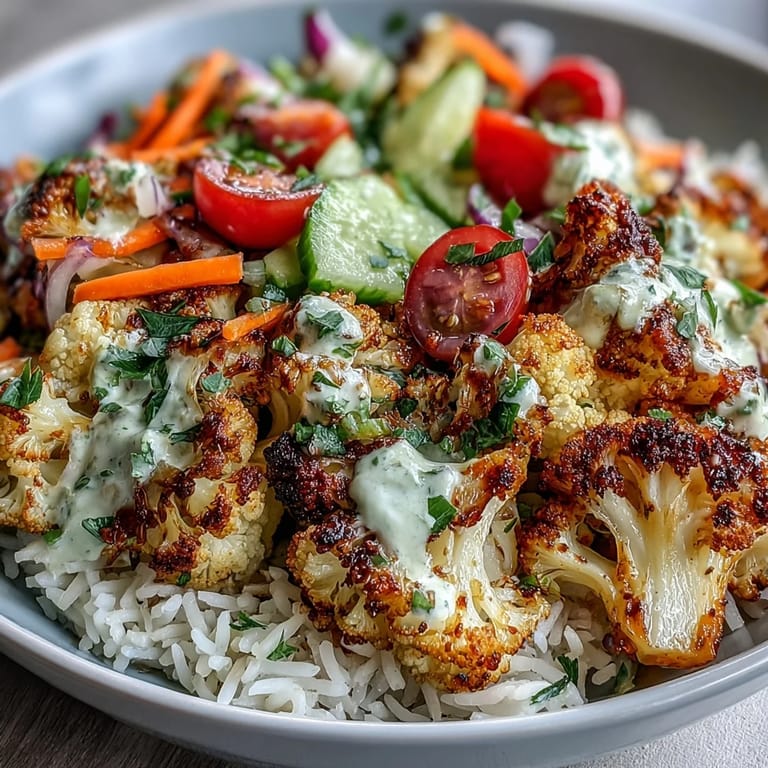
Save There was an afternoon when my neighbor's kid came over after school and asked if we could make this together. We burned a few edges, forgot about the sauce halfway through, and somehow ended up with bowls that tasted just as good as when I make it perfectly. That's when I understood the real appeal of this recipe—it's forgiving enough to survive kitchen chaos but still tastes like you tried.
Why Roasted Vegetables Changed My Cooking
For years I steamed or sautéed vegetables, wondering why they tasted so bland until I finally committed to roasting. Heat and time and space on a baking sheet turned cauliflower from something I tolerated into something I craved. The transformation taught me that how you cook something matters almost as much as what you cook, and roasting became my go-to method for any vegetable that needed rescuing.
Building Bowls That Feel Complete
The trick to a satisfying bowl is contrast—warm and cool, crispy and soft, rich and bright. This recipe layers all of those, with roasted cauliflower providing substance and char, fresh vegetables adding crunch and color, tahini sauce bringing creaminess and tang. The rice anchors everything, but it's really the combinations that make each spoonful interesting rather than monotonous.
Making This Recipe Your Own
The beauty of bowl meals is that they invite improvisation without demanding it. Swap vegetables with whatever's fresh at your market, try different grains, or add proteins that match your hunger. This structure adapts gracefully to additions like roasted chickpeas, crumbled feta, avocado slices, or even a fried egg on top if you're feeling adventurous.
- Add chickpeas or tofu for extra protein that makes this satisfying as a complete meal.
- The tahini sauce keeps in the refrigerator for three days, so make it ahead on Sunday for weeknight convenience.
- Leftovers work best if you store components separately and assemble fresh, so the textures stay distinct.
 Save
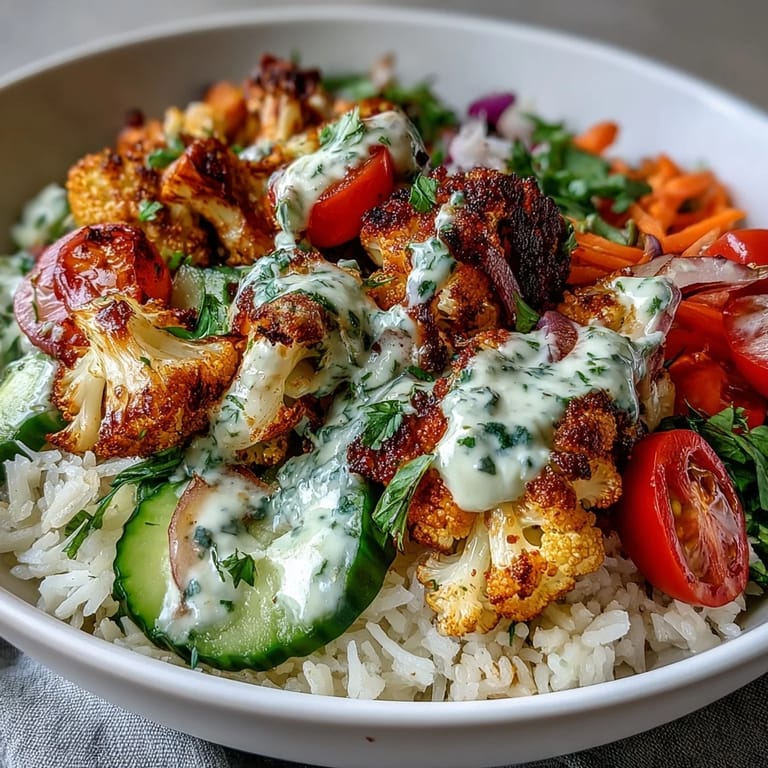
Save This bowl taught me that nourishing food doesn't need to be complicated, just intentional. Make it once and it'll become one of those recipes you return to without thinking.
Recipe FAQs
- → Can I make this bowl ahead of time?
Yes, you can roast the cauliflower and cook the rice up to 3 days in advance. Store them separately in airtight containers. The tahini sauce also keeps well refrigerated for up to 3 days. Assemble bowls fresh when ready to serve for best texture.
- → What vegetables work best in this bowl?
Cherry tomatoes, cucumber, shredded carrots, and red onion provide excellent variety. You can also add bell peppers, roasted sweet potatoes, shredded cabbage, or sautéed kale depending on what's in season.
- → How do I get the tahini sauce to the right consistency?
Start with the minimum amount of water and whisk thoroughly. The sauce may appear thick at first but will thin out with continued whisking. Add water one tablespoon at a time until you reach a drizzle-able consistency that coats the back of a spoon.
- → Can I add protein to this bowl?
Absolutely. Roasted chickpeas, grilled tofu, baked tempeh, or even shredded chicken work wonderfully. You can also add a fried egg on top for additional protein and richness.
- → What rice varieties work best?
Basmati and jasmine rice both provide excellent fluffy texture. For more fiber and nutrients, try brown rice, quinoa, or farro. Just adjust cooking time according to package directions.
- → How do I store leftovers?
Store components separately in airtight containers. The cauliflower and rice keep for 3-4 days refrigerated. Keep the tahini sauce in a jar. Reheat the cauliflower and rice gently, then assemble with fresh vegetables and sauce.