 Save
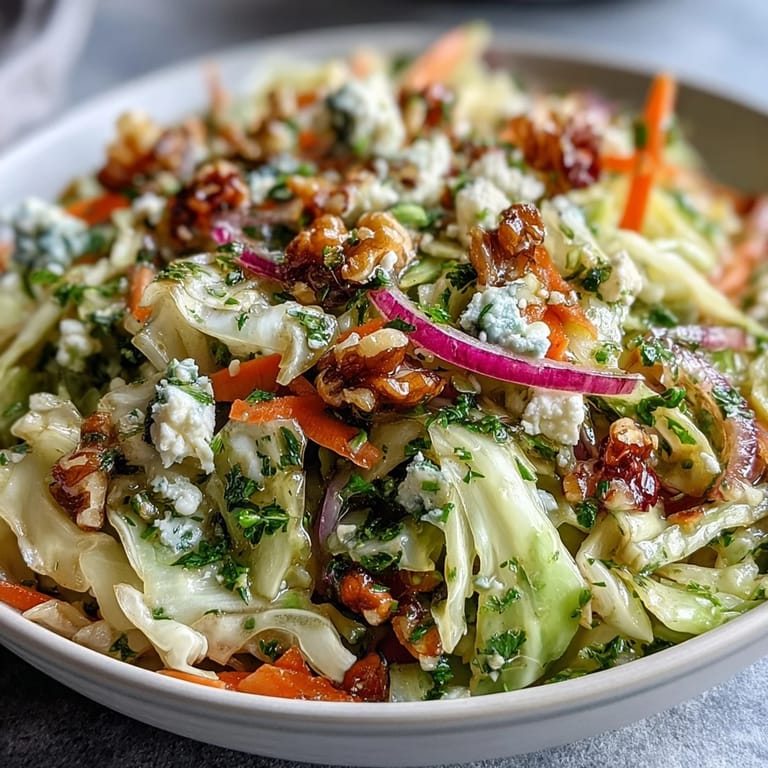
Save There's a moment in late autumn when cabbage stops being overlooked and suddenly becomes the centerpiece, and that's when this warm salad found its way into my kitchen. My neighbor mentioned she'd been sautéing cabbage instead of serving it raw, and something about that simple shift made me curious enough to experiment. The first time I made this version, the smell of that golden, tender cabbage mixing with apple cider vinegar stopped my partner mid-stride—they wanted to know what I was doing before they even saw the bowl. What started as a casual weeknight attempt became the dish I now make when I want to feel nourished and present at the same time.
I made this for a potluck last spring where everyone brought their usual suspects, and watching people go back for thirds of a cabbage salad felt like a small victory. One guest asked for the recipe right there, standing by the table with a paper plate, which is when I knew this dish had crossed over from weeknight necessity to something worth sharing. It's become my go-to when I'm cooking for people who think they don't like vegetables, because by the time they taste it, they've already changed their minds.
Ingredients
- Green cabbage (1 medium head, about 900 g): The foundation here—slicing it thin matters because you want it to cook through in those few minutes without turning to mush, and thin slices catch that dressing perfectly.
- Carrot (1 large, julienned): The sweetness balances the tang of the vinegar, so don't skip the julienne; thin ribbons cook in the residual heat and stay just tender.
- Red onion (1 small, thinly sliced): Raw onion would be sharp here, but the warm cabbage softens it into something more subtle and pleasant.
- Red bell pepper (1, thinly sliced): This adds color and a gentle sweetness, plus it stays crisp even when the salad rests.
- Fresh parsley (2 tbsp, chopped): The green herbaceous note that makes this feel intentional rather than accidental.
- Extra-virgin olive oil (3 tbsp): Quality matters because it's not hiding anywhere—it's right there in the dressing, so choose one you'd actually taste on its own.
- Apple cider vinegar (2 tbsp): The bright acid that ties everything together; I've tried white wine vinegar and it just doesn't have the same character.
- Dijon mustard (1 tbsp): Acts as an emulsifier in the dressing and adds a subtle sharpness that keeps things interesting.
- Honey (1 tsp): Just enough to round out the acidity without making this sweet; maple syrup works equally well and keeps it vegan.
- Sea salt and freshly ground black pepper: Taste as you dress; what matters is that you're seasoning to your preference, not following a number.
- Toasted walnuts or sunflower seeds (optional): The crunch that transforms this from good to memorable, and toasting them yourself changes everything.
- Feta cheese (optional, 30 g crumbled): If using, crumble it just before serving so it keeps its texture and doesn't disappear into the salad.
Tired of Takeout? 🥡
Get 10 meals you can make faster than delivery arrives. Seriously.
One email. No spam. Unsubscribe anytime.
Instructions
- Heat your skillet and get it hot:
- Use medium-high heat and let the pan warm fully before adding oil; you want that immediate sizzle when the cabbage hits the surface. This is what creates that slightly caramelized edge that makes all the difference.
- Sauté the cabbage until just tender:
- Add your sliced cabbage and stir frequently for 4–5 minutes—the goal is tender but still vibrant green, not soft and dull. You're listening for the gentle sound of the knife-cut edges catching the heat.
- Transfer to your mixing bowl:
- Move the warm cabbage to a large bowl while it's still hot; this is where the magic starts because the heat will help the other vegetables soften just slightly.
- Add the raw vegetables and parsley:
- Toss the carrots, red onion, bell pepper, and parsley into the warm cabbage and mix gently so everything gets coated in that residual warmth.
- Whisk the dressing:
- In a small separate bowl, whisk the remaining olive oil, apple cider vinegar, Dijon mustard, honey, salt, and pepper until you see the mixture turn slightly creamy and emulsified. Take your time here; rushing this step means the dressing won't cling to the vegetables.
- Pour and toss:
- Drizzle the dressing over the vegetables and toss thoroughly, making sure every piece gets coated and the flavors start mingling right away.
- Let it rest and settle:
- Give the salad 5 minutes to sit—this isn't waiting, it's actually cooking, as the vegetables continue to soften and the flavors deepen and meld into something more cohesive.
- Top and serve:
- Add your walnuts, seeds, or crumbled feta just before serving so they stay crisp and don't absorb the dressing, then serve warm or at room temperature depending on your mood.
 Save
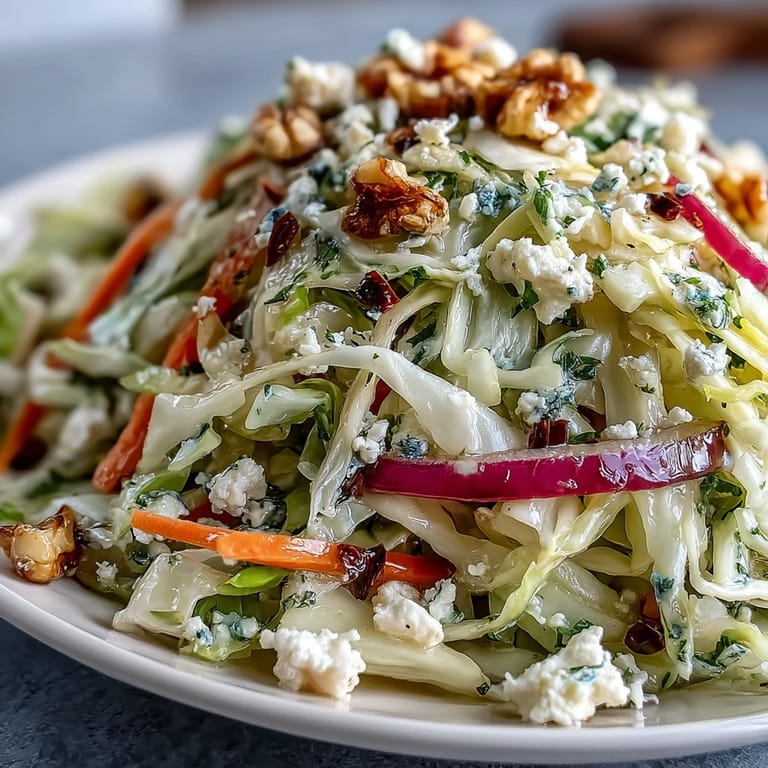
Save There was an evening last winter when I made this for just myself after a long day, and the act of sautéing something, of waiting for it to soften, of tasting and adjusting the dressing felt like the most honest thing I could do. Eating warm cabbage salad alone at my kitchen counter turned into one of those quiet moments where food becomes more than fuel—it becomes permission to slow down. That's when I understood why this dish had stuck around.
The Cabbage Question
If you've always thought of cabbage as something that only belongs in coleslaw or fermented into something else, this is the moment to reconsider. Sautéing cabbage changes its personality entirely—it becomes sweeter, more tender, more willing to play well with others. The key is not overdoing it; you're not trying to make it mushy, just warm enough that it relaxes and becomes this beautiful foundation for everything else.
Timing and Temperature Matters
The temperature of everything when they meet makes a real difference here. The warm cabbage starts the cooking process for the carrots and onion, so they soften just enough to lose their harsh edges without turning into mush. If you let the cabbage cool completely before adding the other vegetables, you're missing that gentle transformation that makes this salad feel more like a composed dish than just chopped vegetables.
Variations and Flexibility
This salad is more forgiving than it looks, and that's part of its charm. I've added shredded apple for extra sweetness, thinly sliced radishes for crunch that survives, even some thinly sliced fennel when I had it on hand. The skeleton stays the same—warm cabbage, bright dressing, fresh elements—but you can adapt based on what you have and what your mood calls for.
- If you want to make this ahead, keep the warm cabbage and the dressing separate, then combine and let rest just before serving.
- Toasted nuts or seeds are non-negotiable if you're going for texture; raw versions disappear into the salad and nobody notices them.
- This pairs beautifully with roasted chicken, grilled fish, or eaten entirely on its own as a vegetable-focused meal.
 Save
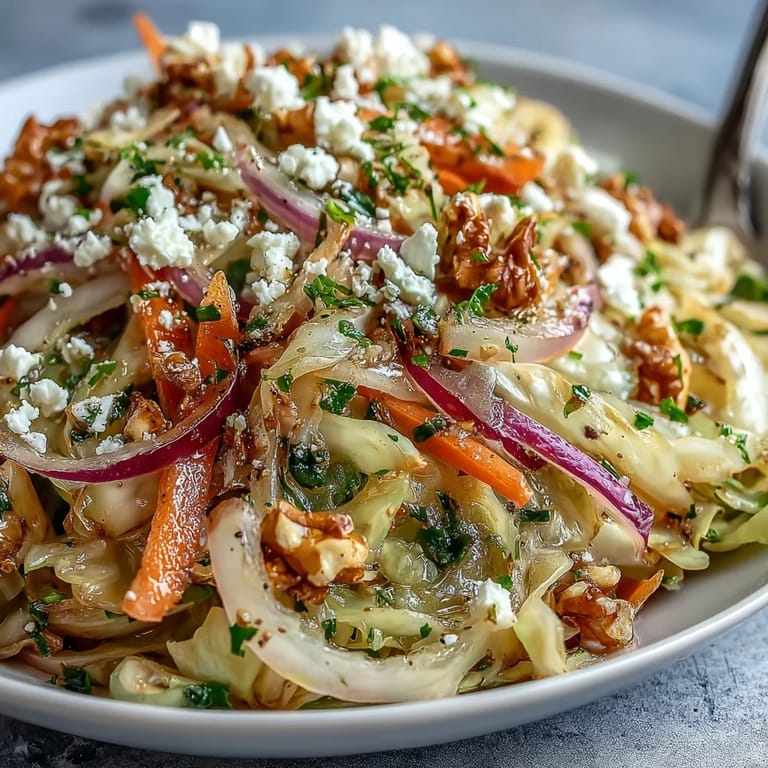
Save This warm cabbage salad has quietly become one of those dishes I make when I want to feel like I'm taking care of myself and the people I'm cooking for. It's proof that sometimes the simplest vegetables, treated with a little heat and intention, become something genuinely craveable.
Recipe FAQs
- → Should I serve this cabbage salad warm or cold?
This dish shines when served warm or at room temperature, allowing the flavors to meld beautifully after resting for five minutes.
- → Can I make this salad ahead of time?
Yes, it keeps well refrigerated for up to two days. Bring to room temperature before serving for the best flavor and texture.
- → What vegetables work well as additions?
Thinly sliced radishes or shredded apple add extra crunch. The base combination works perfectly as written, though.
- → Is this suitable for special diets?
This dish is naturally vegetarian, gluten-free, and dairy-free. Use maple syrup instead of honey and omit feta for a fully vegan version.
- → What proteins pair well with this salad?
Grilled chicken or roasted salmon complement the tangy, warm flavors beautifully. It also stands alone as a satisfying vegetarian main.
- → Why sauté the cabbage instead of serving it raw?
Light cooking brings out the natural sweetness and creates a tender texture while maintaining vibrant color and nutritional value.