 Save
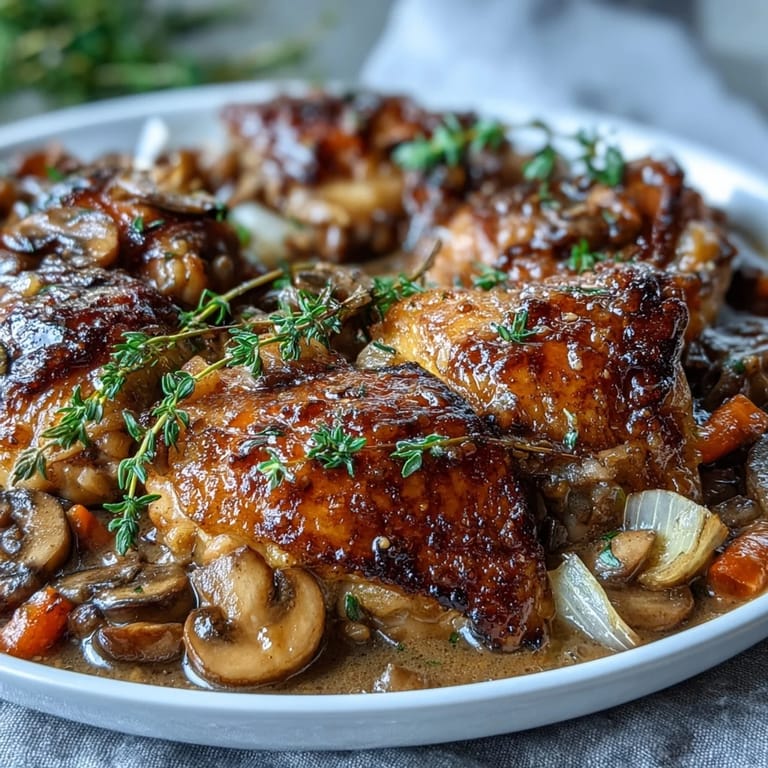
Save A summer evening in Provence changed everything about how I thought about Coq au Vin. I'd been wrestling with the traditional red wine version for years, never quite achieving that restaurant quality silkiness I craved. Then a friend's grandmother poured a dusty pink rosé into her braising pot instead, and the entire kitchen filled with this impossibly fragrant, floral warmth. The resulting chicken was somehow both lighter and more luxurious than anything I'd made before.
I made this for my sister's birthday dinner last spring, and we spent the entire meal trying to figure out why it tasted so special. The way the rosé mellows into this incredibly savory, almost floral foundation while the cream pulls everything together is pure magic. My usually skeptical brother went back for thirds without saying a word, which is pretty much the highest compliment in our family.
Ingredients
- 1.5 kg bone-in chicken pieces: Thighs and drumsticks are your best bet here because they stand up to long braising without drying out
- 500 ml dry rosé wine: Pick something you'd actually want to drink with dinner, not cooking wine or anything too sweet
- 2 tbsp olive oil: You need this for getting that gorgeous golden brown color on the chicken, which builds all that deep flavor
- 1 medium onion, 2 carrots, 1 small leek: This aromatic trio creates such a beautiful foundation, dont skip any of them
- 200 g mushrooms: They soak up all that rosé goodness and become these little umami bombs
- 2 tbsp tomato paste: Adds this gorgeous color and a subtle depth that balances the wine
- 200 ml heavy cream: This is what transforms everything into that luxurious, velvety finish
- Fresh herbs: Bay leaf, thyme, and rosemary work together to give it that classic French backbone
Tired of Takeout? 🥡
Get 10 meals you can make faster than delivery arrives. Seriously.
One email. No spam. Unsubscribe anytime.
Instructions
- Get Your Chicken Ready:
- Pat those chicken pieces completely dry with paper towels and season generously with salt and pepper on all sides
- Build That Golden Base:
- Heat your olive oil in a large Dutch oven over medium high heat, then brown the chicken in batches until deeply golden on all sides, about 5 minutes per batch
- Sauté Your Aromatics:
- In the same pot, cook your onions, carrots, and leek for 4 to 5 minutes until softened, then add mushrooms and cook another 3 minutes
- Add the Flavor Builders:
- Stir in the garlic for 1 minute, then add the tomato paste and cook another minute until it's fragrant and slightly darkened
- Thicken if You Like:
- Sprinkle the flour over the vegetables if you want a slightly thicker sauce, stirring to coat everything evenly
- Create the Braise:
- Pour in the rosé wine while scraping up all those gorgeous browned bits from the bottom, then return the chicken and add your herbs
- Let It Simmer:
- Bring everything to a gentle simmer, cover, and cook over low heat for 45 minutes until the chicken is fork tender
- Finish with Cream:
- Remove the herbs, stir in the cream, and simmer uncovered for 5 to 10 minutes until the sauce is glossy and slightly thickened
 Save
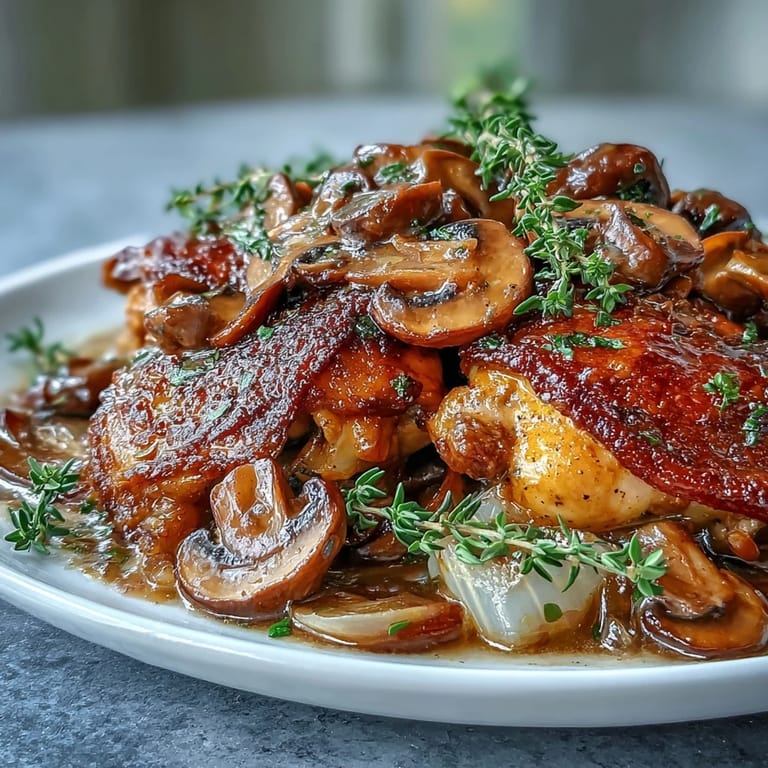
Save This recipe has become my go to for dinner parties because it looks impressive but is actually quite forgiving. Last month I made it for friends who swore they didn't like rosé wine, and they ended up asking for the sauce recipe before we even finished eating. Something about how the wine mellows and marries with the cream just hits differently.
Choosing Your Rosé
I've learned the hard way that not all rosé wines work equally well here. You want something dry and relatively neutral, not a sweet blush wine or anything too fruity. A Provence style rosé or a dry Spanish rosado gives you that beautiful subtle floral note without making the dish taste like dessert. I once used a particularly sweet bargain rosé and ended up with something that tasted more like a fruit compote than a French braise.
Make Ahead Magic
The beautiful thing about this dish is that it actually tastes better the next day, which makes it perfect for entertaining. I'll often make it up until the cream step the day before, then gently reheat and finish with the cream just before serving. The flavors have time to really meld and marry, and you get to actually enjoy your party instead of being stuck at the stove.
Serving Suggestions
Buttered egg potatoes are absolutely perfect here because they soak up that gorgeous sauce. Crusty bread is non negotiable in my house, someone always wants to swipe their plate clean. I've also served it over mashed potatoes during colder months and rice in the summer, both work beautifully.
- A crisp green salad with bright vinaigrette cuts through all that richness perfectly
- A glass of the same rosé you used in the braise ties everything together
- Simple steamed green beans or roasted asparagus make lovely fresh additions
 Save
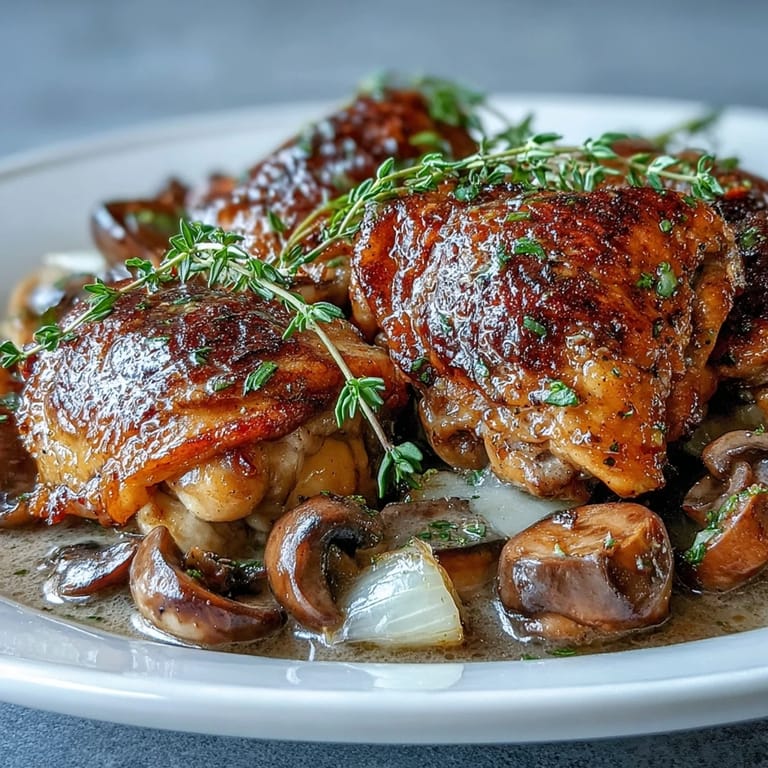
Save This is one of those recipes that reminds me why I fell in love with cooking in the first place. Simple ingredients, a little patience, and something absolutely beautiful emerges from the pot.
Recipe FAQs
- → What kind of rosé wine is best for this dish?
For the best flavor, choose a dry rosé wine for braising. Avoid sweet rosés as they can alter the savory profile of the sauce. A crisp Provence rosé or a similar style would work wonderfully, lending its unique character without overpowering the other ingredients.
- → Can I use boneless chicken for this preparation?
While bone-in, skin-on chicken pieces like thighs and drumsticks are highly recommended for their superior flavor and moisture retention during the long braising process, you can use boneless chicken. However, reduce the cooking time to prevent it from drying out, and be aware that the depth of flavor might be slightly less intense without the bones.
- → How can I thicken the sauce if it's too thin?
If the sauce is too thin, you have a few options. You can either simmer it uncovered for a longer period to reduce it, allowing the excess liquid to evaporate, or, as mentioned in the instructions, you can sprinkle a tablespoon of all-purpose flour over the sautéed vegetables before adding the wine to help thicken it during cooking. A cornstarch slurry (cornstarch mixed with a little cold water) can also be used at the end, added slowly while simmering until the desired consistency is reached.
- → What are some suitable accompaniments for Coq au Vin Rosé?
This elegant braised chicken pairs beautifully with several classic and comforting sides. Excellent choices include creamy mashed potatoes, simple buttered new potatoes, a fluffy bed of rice, or crusty French bread perfect for soaking up every drop of the rich, flavorful sauce. A light green salad with a bright vinaigrette dressing also provides a refreshing contrast.
- → Can this dish be prepared in advance?
Yes, Coq au Vin Rosé often tastes even better the next day as the flavors have more time to meld and deepen. Prepare the dish completely, then let it cool to room temperature before transferring it to an airtight container and refrigerating. Reheat gently on the stovetop or in the oven, adding a splash of chicken stock or rosé if the sauce has thickened too much during storage.
- → Are there any dietary adjustments for gluten or dairy?
For a gluten-free version, simply omit the all-purpose flour if you were planning to use it for thickening; the sauce will still reduce and thicken naturally to a degree. For dairy, you can experiment with full-fat coconut cream (which will introduce a subtle tropical hint) or a dairy-free cooking cream alternative, though the flavor profile will be slightly different from traditional heavy cream.