 Save
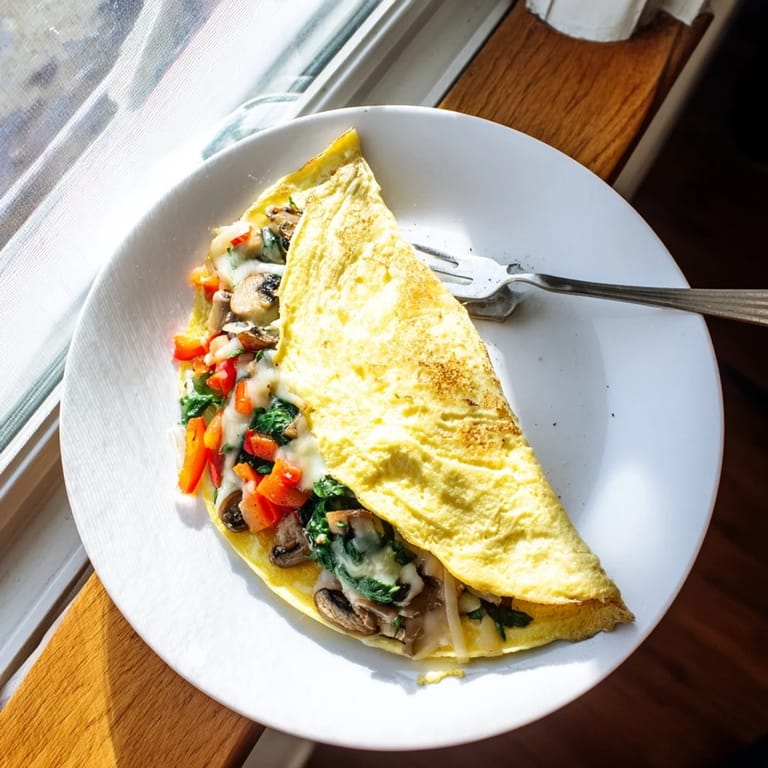
Save Some Sunday mornings just call for something simple and warm, like the way my grandmother used to make omelets when I was barely tall enough to reach the counter. She had this battered old nonstick pan that she swore by, and she would let me watch the eggs transform from liquid to golden curves in what felt like magic. Now when I make them, I realize the real secret was patience and butter, lots of butter.
Last winter my sister came over after a terrible week at work, and I made these omelets with whatever cheese I had in the fridge and some frozen herbs. She took one bite and actually teared up, saying it reminded her of our childhood kitchen. Sometimes the simplest food carries the heaviest memories.
Ingredients
- 4 large eggs: Room temperature eggs will incorporate air better and create a fluffier texture
- 2 tablespoons milk or cream: This adds richness and helps create that tender custard like interior
- 1 tablespoon unsalted butter: Butter adds flavor and prevents sticking while giving the edges a lovely golden color
- 80 g grated cheese: Gruyère melts beautifully but Cheddar or Emmental work just as well
- Salt and black pepper: Season the eggs before cooking for layers of flavor rather than just at the end
- Fresh herbs: Chives or parsley add brightness and make the dish feel finished
Tired of Takeout? 🥡
Get 10 meals you can make faster than delivery arrives. Seriously.
One email. No spam. Unsubscribe anytime.
Instructions
- Whisk the eggs:
- Crack eggs into a bowl with milk or cream, salt, and pepper. Whisk vigorously until the mixture is uniform and slightly frothy, about thirty seconds.
- Heat the pan:
- Melt butter in a nonstick skillet over medium heat until it bubbles gently. You want it hot enough to sizzle but not brown.
- Pour and spread:
- Pour in the egg mixture and tilt the pan so the eggs cover the bottom evenly. Let cook undisturbed for one minute until edges begin to set.
- Add fillings:
- Sprinkle cheese evenly over the surface. Add any diced ham, vegetables, or other fillings you are using.
- Lift and cook:
- Gently lift edges with a spatula, tilting the pan to let uncooked egg flow underneath. Cook another one to two minutes until set but still creamy on top.
- _fold and serve:
- Fold the omelet in half and cook thirty seconds more. Slide onto a warm plate and garnish with fresh herbs.
 Save
Save The first time I tried to make an omelet for a dinner party, I accidentally flipped it onto the floor instead of the plate. My friends laughed so hard they helped me make a new batch, and honestly, those imperfect omelets tasted better than any I have made since.
Choosing the Right Cheese
Not all cheeses behave the same way when melted, and I have learned this through several overly greasy breakfasts. Hard cheeses like Parmesan add great flavor but will not give you that gooey pull, while soft cheeses can make the omelet weepy. A mix of half sharp Cheddar for flavor and half Gruyère for melt is my go to combination.
Mastering the Fold
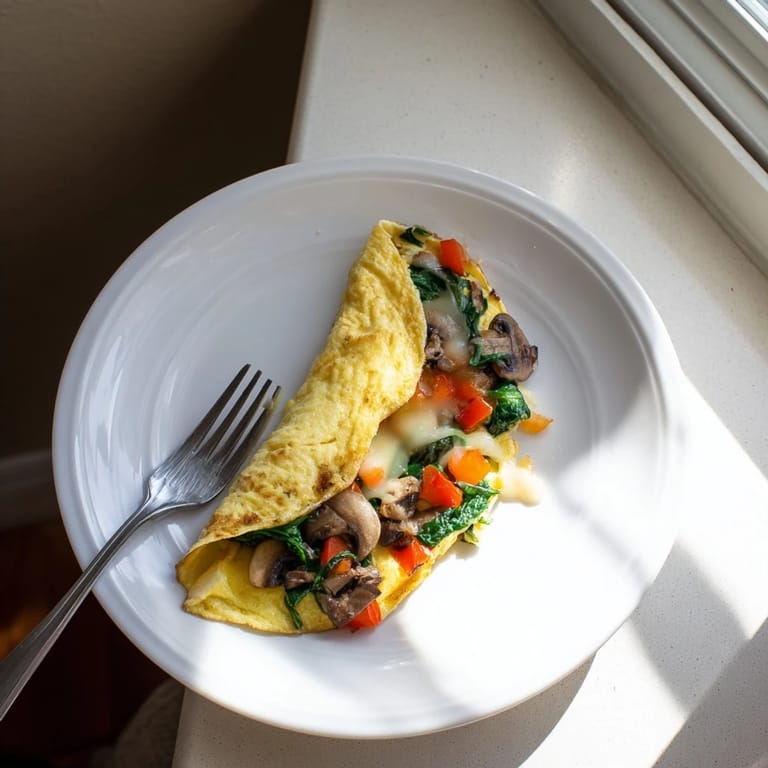
The folding motion terrified me for years until I realized the omelet will tell you when it is ready. When the center still looks slightly wet but the edges are set and release easily from the pan, that is your window. Work quickly and confidently rather than hesitating, which is when the tearing happens.
Make It Your Own
Once you are comfortable with the basic technique, the variations become endless. I have made these with leftovers from dinner the night before, herbs growing in windowsill pots, and whatever cheese was on sale at the grocery store.
- Diced cooked vegetables add texture without making the omelet too heavy
- A spoonful of cream cheese or goat cheese stirred into the eggs creates an incredibly creamy center
- Fresh herbs should be added at the very end so they stay bright and flavorful
 Save
Save There is something deeply satisfying about turning a handful of simple ingredients into a meal that feels like a hug on a plate.
Recipe FAQs
- → What cheese works best for omelets?
Gruyère, Cheddar, Emmental, or Swiss cheeses melt beautifully and provide excellent flavor. Freshly grated cheese melts more evenly than pre-shredded varieties.
- → How do I get a fluffy omelet?
Whisk eggs vigorously until slightly frothy, adding a splash of milk or cream. Cook over medium heat and avoid overcooking—the center should remain slightly creamy when you fold it.
- → Can I prepare omelets ahead of time?
Omelets are best served immediately while hot and fluffy. They don't reheat well as the texture becomes rubbery. Prepare fresh for each serving.
- → What size skillet should I use?
A 20–24 cm (8–10 inch) nonstick skillet is ideal. This size allows the eggs to spread evenly without becoming too thin or thick.
- → Why does my omelet stick to the pan?
Use a quality nonstick skillet and ensure the butter is fully melted and bubbling before adding eggs. Don't use high heat, which can cause sticking and browning.