 Save
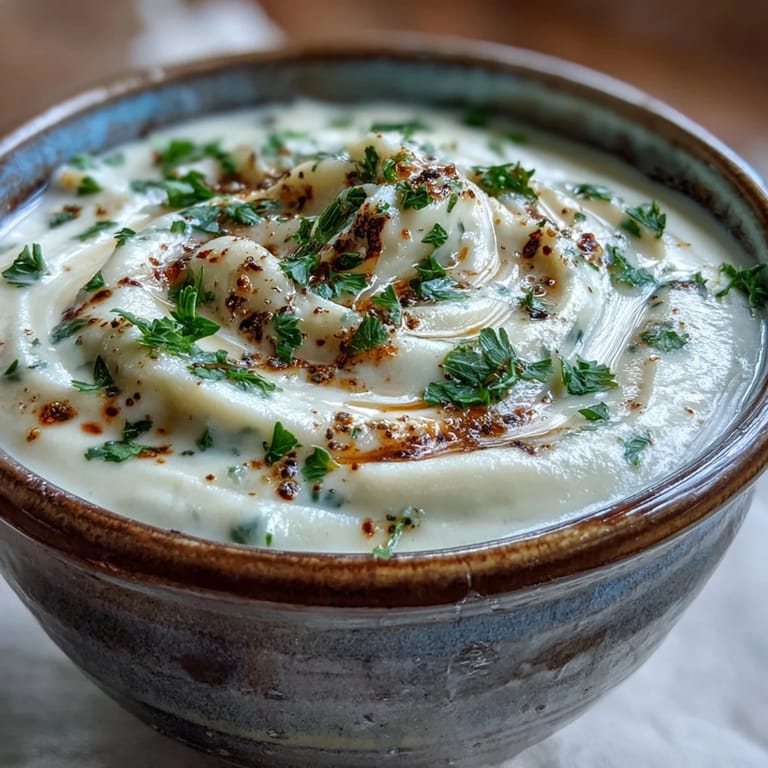
Save There's something almost meditative about watching vegetables soften in olive oil on a quiet afternoon. I stumbled onto this white bean and Parmesan soup by accident, really, when I had a can of beans and some carrots that needed using before they wrinkled away in the crisper drawer. What started as a practical decision turned into something I now make whenever the weather shifts toward cool and I want something that feels both simple and deeply satisfying. The soup came together so naturally that I kept making it, tweaking nothing, because sometimes the best dishes are the ones that don't demand fussing.
My neighbor actually asked for this recipe after I brought her a thermos of it when she was recovering from a cold. Watching her face light up at the first spoonful reminded me that food isn't just sustenance, it's a way of saying I'm thinking of you without words getting in the way. She's made it probably twenty times since then and always texts me photos of her bowls, which honestly feels like the highest compliment.
Ingredients
- Olive oil: Use good quality if you have it, since it's a foundational flavor here and the heat is gentle enough that it won't burn or turn bitter.
- Onion, celery, and carrots: This classic trio is called a soffritto in Italian cooking, and they're the aromatic base that makes everything taste like home.
- Garlic: Fresh cloves minced fine will bloom beautifully when they hit the hot oil, filling your kitchen with that unmistakable smell.
- Cannellini beans: Canned beans work perfectly here, and rinsing them removes excess sodium and starch, making the soup cleaner tasting.
- Vegetable stock: The quality of your stock matters more than you'd think, since it becomes the voice of the soup, so taste it first if you're unsure.
- Bay leaf and thyme: These are gentle enough to flavor without taking over, and they fade into the background as supporting players.
- Parmesan cheese: Freshly grated makes all the difference here because it melts seamlessly into the warmth rather than becoming grainy or clumpy.
- Heavy cream: Optional but worth it if you want that extra luxurious mouthfeel, though the soup is already creamy from the blended beans.
- Salt and pepper: Add conservatively at first since the Parmesan brings its own saltiness, and you can always adjust at the end.
Tired of Takeout? 🥡
Get 10 meals you can make faster than delivery arrives. Seriously.
One email. No spam. Unsubscribe anytime.
Instructions
- Sauté the vegetables:
- Heat the olive oil over medium heat and add your onion, celery, and carrots, stirring occasionally as they soften. This usually takes about 6 to 8 minutes, and you'll know they're ready when the onion turns translucent and everything smells sweet and deep.
- Add the garlic:
- Once the vegetables are tender, stir in your minced garlic and let it cook for just about a minute until the raw edge disappears and the aroma becomes fragrant rather than sharp. Don't let it brown or it will turn bitter.
- Build the soup base:
- Pour in your drained beans, stock, bay leaf, thyme if you're using it, salt, and pepper, then bring everything to a gentle simmer. The soup will look thin at this point, which is exactly right.
- Let it simmer:
- Lower the heat, cover the pot loosely, and let it bubble softly for about 20 minutes so the flavors have time to get acquainted and the beans soften further. You don't need a rolling boil here, just a quiet, steady cook.
- Blend to silky smoothness:
- Remove the bay leaf, then use an immersion blender to puree the soup right in the pot, moving it around until you reach a smooth, creamy consistency. If you prefer a chunkier texture, you can blend it less, leaving some texture, which is also beautiful.
- Finish with cheese and cream:
- Stir in your freshly grated Parmesan and the heavy cream if you're using it, then warm everything gently until the cheese melts and the soup is heated through. Taste it now and adjust your seasoning, remembering that it will taste more savory once it cools slightly.
- Serve with intention:
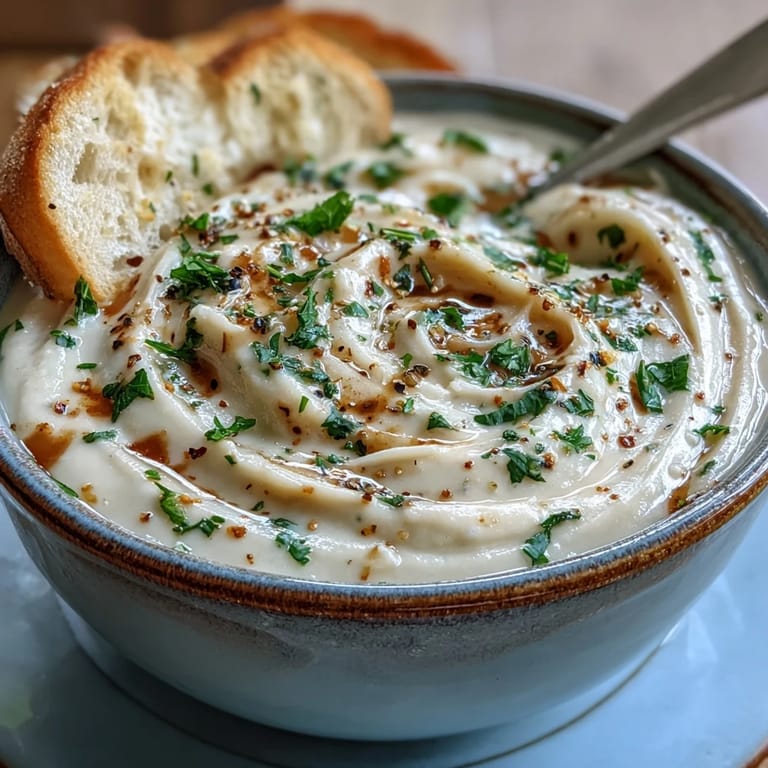
- Ladle the soup into bowls and top each one with a little extra Parmesan, some fresh parsley if you have it, and a crack of pepper. The warmth of the soup will make everything meld together as you eat.
 Save
Save I made this soup on the evening my daughter announced she was becoming vegetarian, and instead of the conversation feeling tense or uncertain, we ended up talking around steaming bowls about flavors and textures and why she'd made this choice. That bowl of soup became less about ingredients and more about connection, which probably sounds overdramatic until you've lived it.
Making It Your Own
The beauty of this soup is how willing it is to change based on what's in your pantry or what you're craving. I've added a splash of white wine before the stock for acidity, stirred in fresh spinach at the end for color and nutrition, or even roasted the vegetables first to deepen their sweetness. Once you understand the structure, you'll see a hundred versions of this soup waiting to happen, each one reflecting what season you're in or what groceries caught your eye.
Pairing and Serving Ideas
This soup sings alongside things that have texture and contrast. A grilled cheese sandwich dunked into a bowl feels like pure comfort, or you could serve it with crusty bread that's been rubbed with garlic and olive oil. Even a simple side salad with lemon vinaigrette cuts through the richness and makes the meal feel more complete and balanced.
Storage and Reheating
The soup keeps beautifully in the refrigerator for up to four days, and it actually tastes better the next day once the flavors have had time to develop and settle. Freeze it in portions if you want to save some for later, though I'd recommend leaving out the heavy cream if you're freezing, adding it fresh when you reheat so the texture stays silky. Reheat gently on the stovetop with a splash of stock if it seems too thick, rather than blasting it in the microwave, which can make it taste a little tired.
- The soup thickens as it cools, so don't panic if it seems thin when hot.
- A squeeze of fresh lemon juice just before eating brightens everything and cuts the richness beautifully.
- Leftover Parmesan crusts can be tossed into the pot while simmering for extra depth of flavor.
 Save
Save This soup has become my answer to almost everything, the dish I turn to when I want to feel capable in the kitchen or show someone I care without making a complicated fuss. It's proof that sometimes the simplest things, made with attention, become exactly what you needed.
Recipe FAQs
- → Can I use dried beans instead of canned?
Yes, you can use 1 cup dried cannellini beans. Soak them overnight, then cook until tender (about 1-2 hours) before using in the soup. This yields approximately 3 cups of cooked beans.
- → How do I make this soup vegan?
Omit the Parmesan cheese and heavy cream, or substitute with vegan Parmesan and coconut cream or cashew cream. Nutritional yeast also adds a savory, cheesy flavor without dairy.
- → Can I freeze this soup?
Yes, this soup freezes well for up to 3 months. Cool completely before transferring to airtight containers. For best results, freeze before adding cream. Thaw overnight in the refrigerator and reheat gently on the stovetop.
- → What if I don't have an immersion blender?
Transfer the soup in batches to a countertop blender. Fill the blender only halfway, remove the center cap, and cover with a kitchen towel to allow steam to escape. Blend until smooth, then return to the pot.
- → How can I add more protein to this soup?
Add cooked chicken, Italian sausage, or diced ham during the simmering stage. You can also stir in cooked quinoa or serve with a poached egg on top for extra protein.
- → What vegetables can I substitute?
Try adding leeks instead of onions, or include fennel for a subtle anise flavor. Zucchini, spinach, or kale can be added in the last few minutes of cooking for extra nutrition and color.